Sedona weather
11-year climate averages (2015–2025), month by month
Sedona in october
Current month averages, based on 11 complete years of records (2015–2025). Read the full guide →
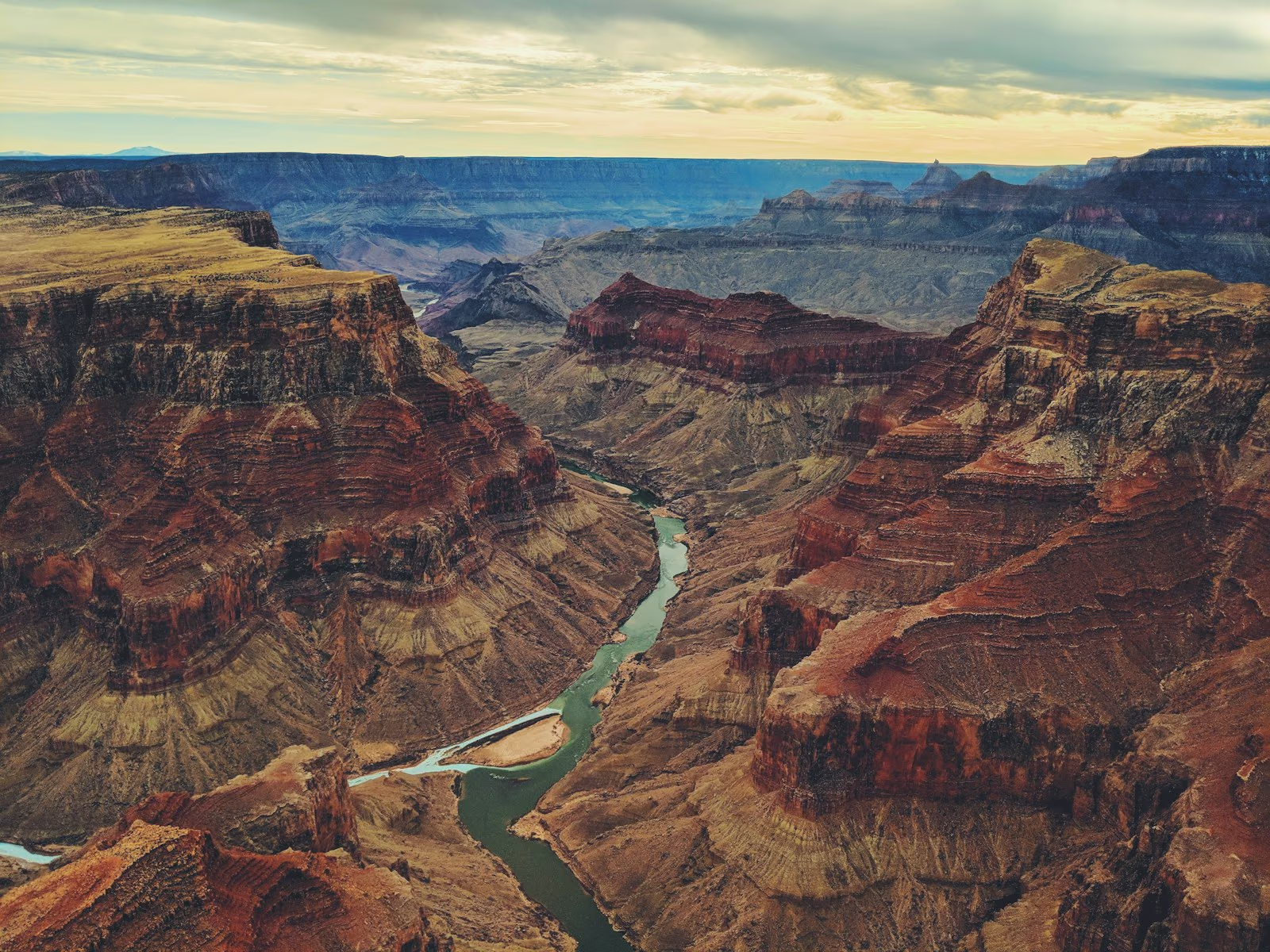
Sedona sits at 4,350 feet elevation in the red-rock high desert of northern Arizona, surrounded by dramatic sandstone formations that glow crimson at sunrise and sunset. Founded in 1902 and famous for its energy vortex sites, hiking trails, and Southwestern art galleries, Sedona has become one of America's most-photographed small towns. It sits at the base of Oak Creek Canyon, roughly two hours south of the Grand Canyon and one hour north of Phoenix.
The year in weather
Sedona weather by month
Pick a month for the full climate guide — temperature, rainfall, sunshine, packing tips and hotel deals for Sedona.
Places that feel like Sedona in october



Sedona weather — FAQ
Q01When is the best time to visit Sedona?
When is the best time to visit Sedona?
The best months to visit Sedona are April, May, September, October. October-November the cottonwoods along Oak Creek turn gold and the Cathedral Rock trail loses summer's 40C mid-day heat window.
Q02What is the hottest month in Sedona?
What is the hottest month in Sedona?
July runs the highest averages in Sedona, with typical daytime highs of 34°C (93°F). July afternoons touch 38C on Bell Rock; locals hike at 5am and spend afternoons at Slide Rock State Park where the creek runs 15C off the Mogollon Rim.
Q03What is the coldest month in Sedona?
What is the coldest month in Sedona?
January brings the lowest averages, with daytime highs near 11°C (52°F). December mornings drop below freezing and the red rocks get dusted with snow; the Chapel of the Holy Cross parking fills before sunrise for the contrast photo.
Q04Which month has the most rain in Sedona?
Which month has the most rain in Sedona?
January typically records the highest monthly rainfall — around 57mm on average. July-August monsoon storms roll in at 3pm and Oak Creek flashes; hikers get stranded when the West Fork trailhead crossing rises three feet in twenty minutes.
Q05What is the climate like in Sedona?
What is the climate like in Sedona?
Sedona, United States has very hot summers, mild winters. Sedona is really two towns — Uptown (tourist gauntlet of crystal shops and jeep tours) and West Sedona (locals, groceries, the actual restaurants). The vortex map at every gift shop is essentially made up in the 1980s by Page Bryant. For real Southwestern cooking skip Uptown and go to Elote Cafe which takes reservations by phone only, no online booking, first-come at 5pm. Pink Jeep tours run through the Coconino National Forest, not private land, so locals resent the dust. You can read the detailed month-by-month breakdown on this page.