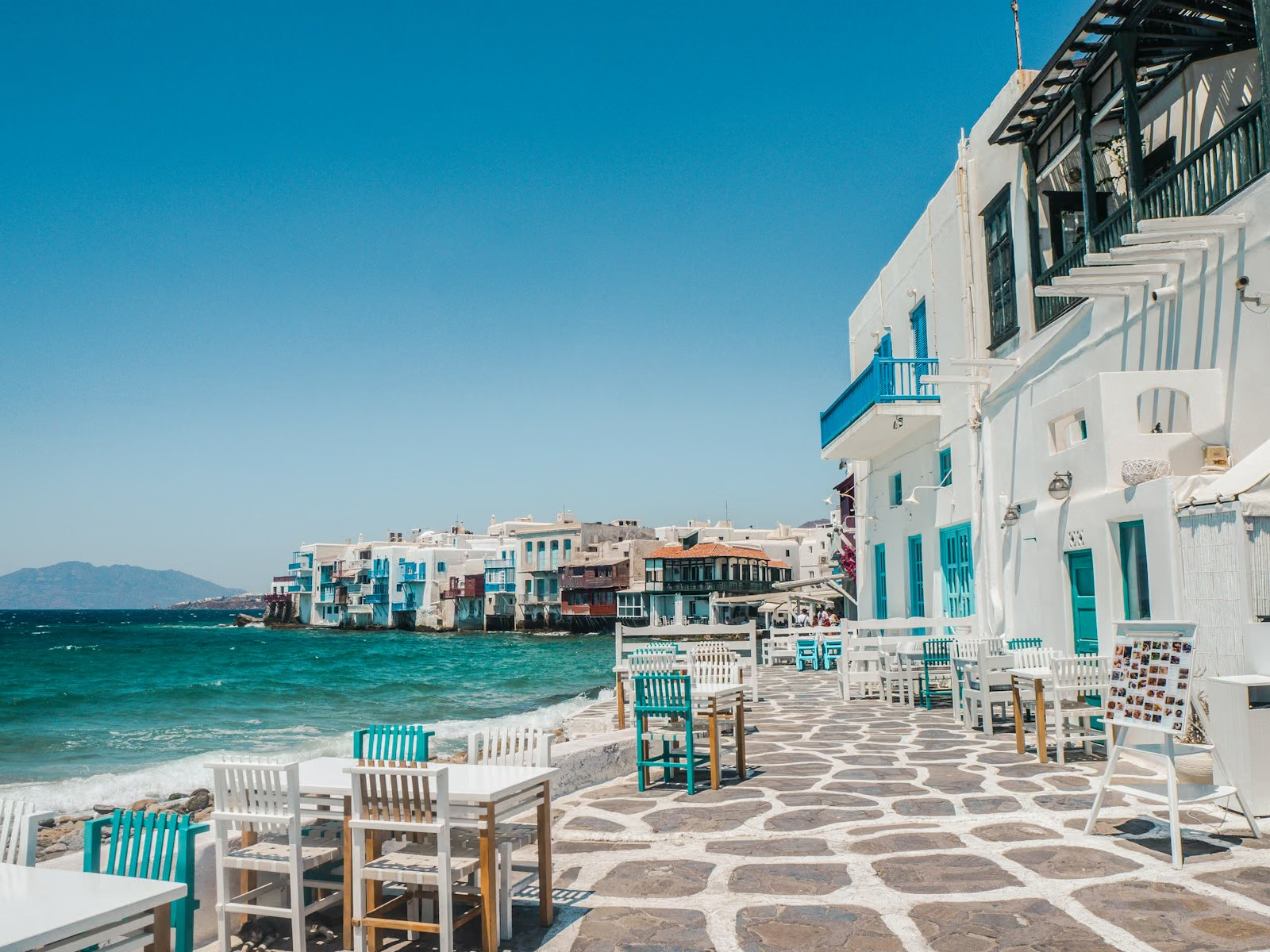
Crete
“A place best understood one month at a time.”
- Signature
- The four seasons
- Best for
- climate · culture · discovery
- Where
- Greece
- Peak months
- May · Jun · Jul · Aug
A destination worth the flight.
Here's the thing about Crete that nobody mentions: it's not just sunny, it's persistently sunny. We're talking 10.6 hours of daylight on average year-round, which means even the "off" months feel brighter than you'd expect. The real story isn't about finding the perfect weather window — it's about understanding what each season actually feels like on the ground. May through August is when Crete stops pretending and just commits to summer. Highs climb into the low-to-mid 80s°F (27–29°C), the sea warms up enough that swimming doesn't feel like a punishment, and the island shifts into that gear where everything stays open late and the energy is palpable.
Each of those four months has its own personality. May is the sweet spot — still warm enough (around 77°F / 25°C) but not yet crowded, and the wildflowers are still hanging on. June brings the heat but also the long evenings; you get dinner at 9pm with actual daylight still happening. July and August are when Crete feels most itself — packed with people, yes, but also when local festivals happen, when taverna owners aren't stressed about empty tables, and when the island's entire rhythm syncs up. The trade-off is obvious: peak season means peak prices and peak tourists on the beaches. If you're flexible, late May or early September often hit a sweeter balance.
January is the month to genuinely avoid. It's not just cold — we're talking highs around 57°F (14°C) — it's wet. Crete sits in a weather pattern that dumps roughly 899mm of rain annually, and a good chunk lands between November and March. January specifically feels gray and damp, ferries can get delayed, and a lot of smaller restaurants and hotels just close down. The island doesn't feel broken during winter, but it does feel closed. February through April gradually warm up, and by late April you're already thinking about summer.
Looking at 2026 specifically: there's no major climate anomaly on the horizon, so expect the historical pattern to hold — hot, dry summers and wet winters. If anything, Mediterranean destinations are trending slightly warmer overall, which might push peak heat a bit earlier into June. What that means for you is simple: if you're planning for 2026, book May or early June if you want the sweet spot, or accept August's crowds for the full summer festival experience. Just don't go in January expecting sunshine.
Crete, four ways.
Every destination is really four destinations, worn by the seasons. Here — the four faces of the year in Crete.
When to book, when to skip.
When Crete is at its best
Flight prices, month by month.
Estimated round-trip fares from London, based on a 7-day stay. Rule-of-thumb pricing — the cheapest windows tend to be the shoulder months, so a shift of a fortnight can pay for a hotel.
★ January looks like the cheapest month for flights to Crete — often £76 less than the peak. Fares refresh daily; live prices below.
Book on WayAway →Twelve months, read them each.
Guides mentioning Crete

Santorini Weather: A Complete Month-by-Month 2026 Guide
11 complete years of Santorini climate data (2015–2025). Best months for sunsets, calderas, wineries, and honeymoons — plus honest shoulder-season advice.
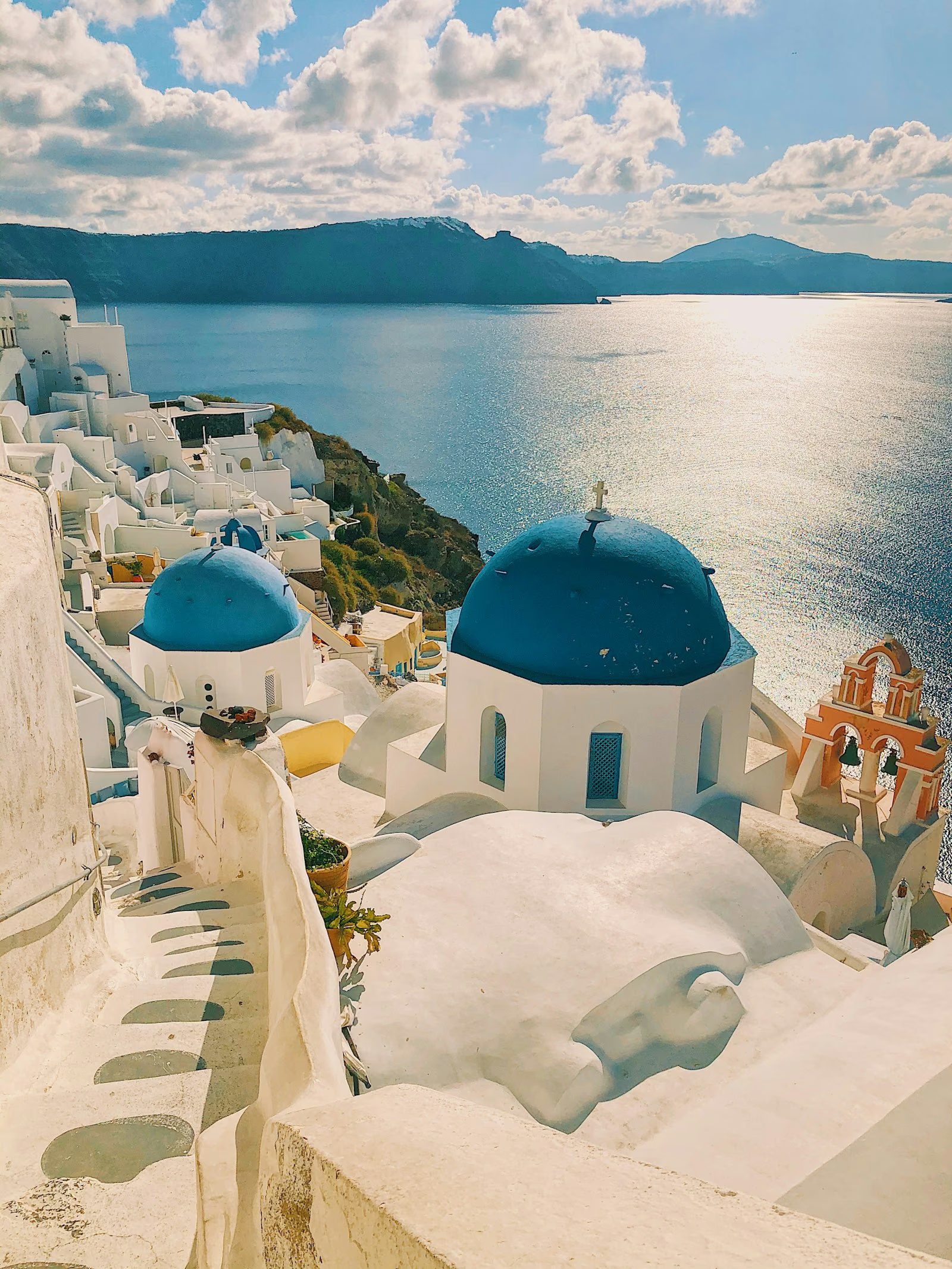
Best Time to Visit Greece: A Month-by-Month 2026 Guide
The best time to visit Greece depends on what you want — Cyclades sunsets, Athens history, or empty beaches. Data-driven verdict for 2026.
Now, book Crete.
You have the weather. You have the season. Only one thing left.