
Santorini Weather: A Complete Month-by-Month 2026 Guide
11 complete years of Santorini climate data (2015–2025). Best months for sunsets, calderas, wineries, and honeymoons — plus honest shoulder-season advice.
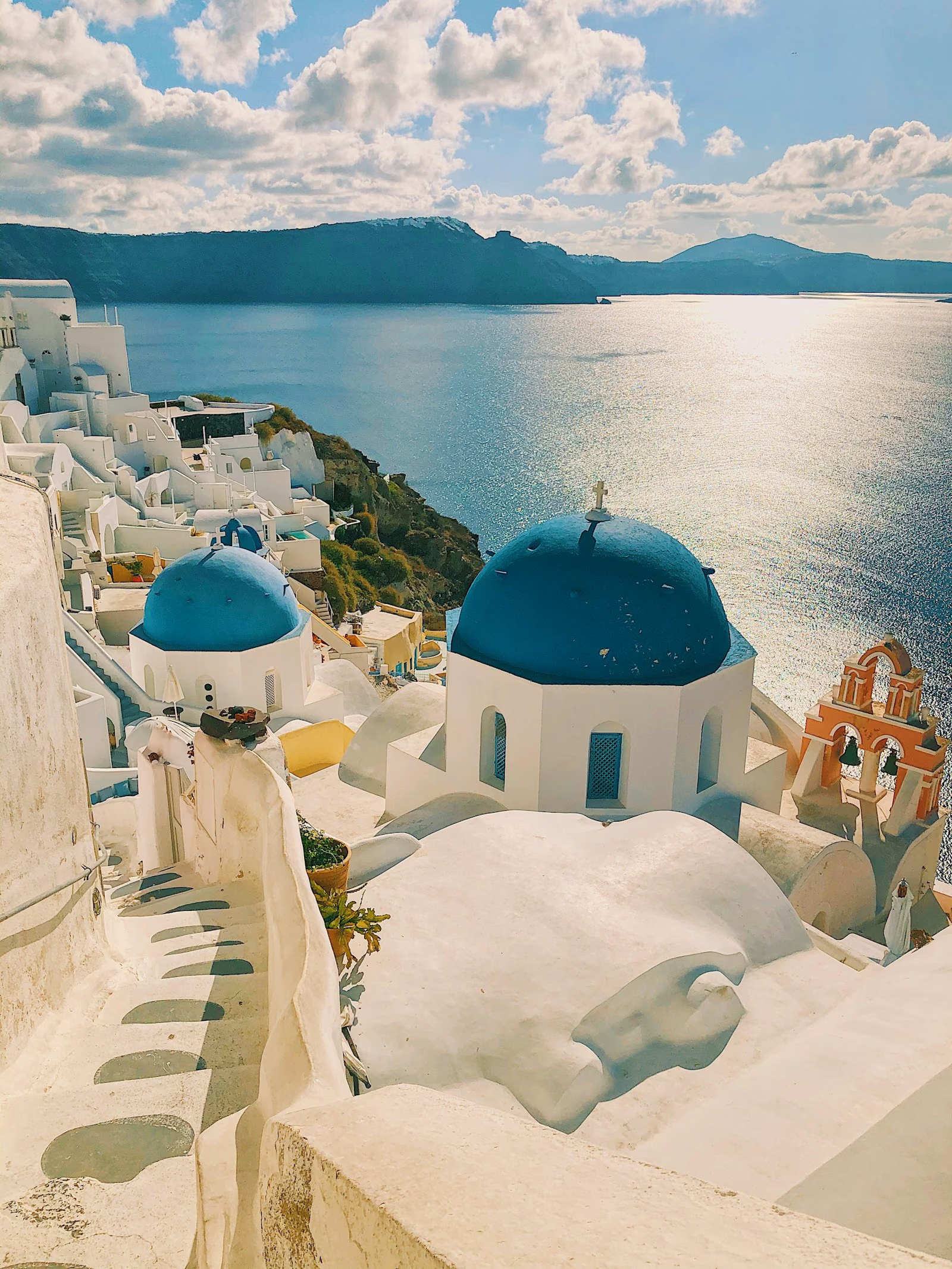
Santorini is a volcanic island, and its climate reflects that geology. Whitewashed villages perch on 300-meter cliffs. There are no rivers, minimal vegetation, and the same meltemi wind that keeps the Aegean sailing world going. What this means for the visitor: Santorini's weather is more extreme than mainland Greece — hotter summers, drier winters, and windier shoulder seasons.
This guide walks through Santorini month by month using 11 complete years of climate data (2015–2025), and tells you which month suits which traveler.
The short answer
- Best months: Mid-May to early June, mid-September to early October — perfect temperatures, sea warm enough to swim, crowds manageable.
- Peak season: July, August — dry, hot, packed. Prices peak.
- Shoulder value: April, late October — cool but usable, hotels 40-50% cheaper.
- Avoid if possible: January, February — some hotels closed, ferries reduced, weather grey.
Santorini weather month by month
January in Santorini
Off-season deep. Average high 14°C, low 9°C, rain around 80mm across the month. Many hotels close entirely from November through March — you'll find only a fraction of what's usually available. Ferries from Athens reduce frequency. Fira and Oia are eerily quiet, which some travellers love. If you visit January, expect nothing to be "on" but everything to be authentic.
February in Santorini
The wettest month statistically, ~70mm rain, similar cool temperatures. Wineries offer tastings but most cliff-side restaurants close. This month is really only recommended for repeat visitors who know the island in summer and want the winter contrast. See February data.
March in Santorini
The transition begins. Average high climbs to 16°C, wildflowers appear across the caldera. Rain still possible but sunshine hours increase noticeably. Hotels start reopening from mid-March. Ferry schedule fills out. A good month for photographers who want the island without other photographers.
April in Santorini
Genuinely usable. Average high 18°C, sea temperature 17°C (too cold for most swimmers but fine for waders), the light quality is unmatched — soft, low-angle, warm. Easter (whether Greek Orthodox or Western) is beautiful in Santorini — village churches ring bells, restaurants serve lamb feast menus. Prices still 30-40% below summer peak.
May in Santorini
Excellent. Average high 22°C, sunshine 10+ hours daily, wildflowers, wildly reduced crowds compared to peak. The sea hits 20°C by month's end, still cold but swimmable for the brave. May is our top recommendation for photographers, older travellers avoiding heat, and honeymooners who want intimacy over crowds. See May climate.
June in Santorini
Summer officially arrives. Average high 26°C, sea temperature 22°C — comfortable for all-day beach visits. The meltemi wind starts, keeping things breezy on the caldera side. Crowds pick up sharply in the second half of the month as European summer holidays begin. First two weeks of June still offer a shoulder-season feel; the last two weeks feel fully peak. See June details.
July in Santorini (peak season)
Hot, dry, crowded. Average high 30°C, low humidity, nearly zero rain (Santorini averages under 5mm for July). The famous Oia sunset viewpoint gets 3,000+ tourists per evening. Cruise ships bring 8,000+ day-visitors on peak days. Restaurants require reservations 2-3 weeks ahead. If you want the peak experience — infinity pools, blue-domed churches, orange sunsets — this is your month, but budget accordingly. Full July climate.
August in Santorini
Marginally hotter than July. Average high 31°C, 12+ hours sunshine, sea at 24°C. The meltemi peaks — often 25 km/h sustained winds — great for sailing between the Cyclades, less great for hair on sunset photos. Same crowd density as July.
September in Santorini (best value)
An extraordinary month. Average high 27°C, sea still at 24°C from summer accumulation, crowds significantly thinner from mid-September onwards. The light quality returns to that soft, low-angle character. This is when Santorini locals say the island is really at its best. Hotels drop 30-40% from August prices. Our top overall recommendation.
October in Santorini
Autumn arrives. First two weeks feel like an extension of September (26°C, sunny, quiet). Last two weeks show the first real cool spell (22°C average high). Rain returns — around 30mm across the month. Some smaller hotels start closing for winter. Great value if you're comfortable with cooler evenings.
November & December in Santorini
Winter arrives. Average high 18°C November, 15°C December. Rain climbs to 80-100mm monthly. Most hotels close by early November. Christmas in Santorini is quiet and local — nothing like Vienna or Zurich Christmas markets, but interesting for travellers seeking authenticity. See December data.
Best time for specific activities
Oia sunset photography
Year-round — the geography doesn't change. But May and September offer the best combination of clear skies, dramatic clouds, and manageable crowds. Winter months have the most atmospheric clouds but shorter days.
Beach days (Red Beach, Perissa, Kamari)
Mid-June through mid-September. The volcanic black-sand beaches heat up brutally in August afternoons — go morning or late afternoon.
Wine tasting (Domaine Sigalas, Santo Wines, Venetsanos)
Year-round, wineries are indoor operations. But April-May and September-October give you the vineyards themselves at their most photogenic.
Hiking Fira to Oia (10 km caldera walk)
May, June, September, October. Summer's heat makes this hike genuinely dangerous by mid-morning. In peak summer, start at 6 AM or forget it.
Honeymoons
Mid-May to mid-June for weather + crowds balance. Late September for value and intimacy.
Santorini vs Mykonos vs Crete
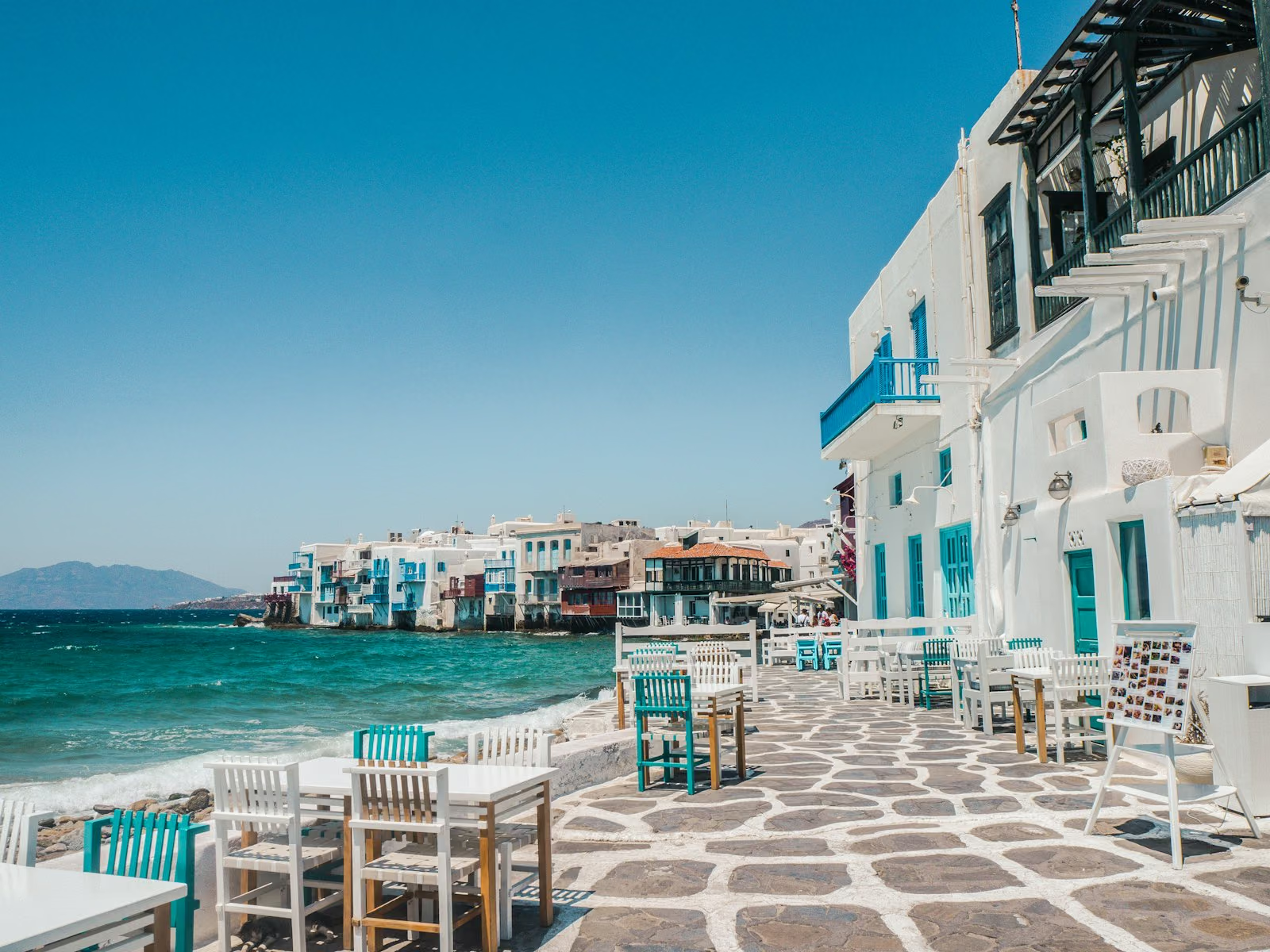
See our detailed Santorini vs Mykonos comparison. Short version: Santorini for views and honeymoons, Mykonos for nightlife and beaches, Crete for real Greek culture and hiking. Weather-wise all three share similar climate but Crete is slightly warmer year-round and has more diverse microclimates.
What to pack for Santorini
- Peak (Jun-Sep): Sun hat, reef-safe sunscreen, polarised sunglasses, quick-dry shirts, comfortable walking sandals (the cobblestones are slippery)
- Shoulder (Apr-May, Oct): Light layers, one warm evening top, closed shoes for occasional wet weather
- Winter (Nov-Mar): Warm coat, waterproof, indoor slippers (hotel floors are stone and cold)
The verdict
Our top month for Santorini is mid-September — the peak-summer sea temperature, thinner crowds, soft light, still-open restaurants, and lower prices. Second choice is late May for the same reasons in reverse. Avoid July-August unless you accept the trade-offs. Avoid December-February unless you specifically want quiet.
See our full Santorini weather page, or compare with Mykonos and Crete for a broader Greek islands view.
Read the full weather guide

Compare hotels for your trip
We link to Booking.com's search for the destinations above. We may earn a small commission — it doesn't change the price.


