
Winter in Turkey: Where to Go Beyond Antalya (2026 Guide)
Turkey in winter is not one climate but five. Antalya at 15°C, Cappadocia balloons over snow, Konya's Şeb-i Arus — the honest regional breakdown.
Turkey in winter is not one country's weather — it is at least five. On the same December afternoon you can be swimming in 18°C sea off Kaş, watching hot-air balloons rise over a snow-dusted Cappadocian valley, or skiing at 2,400 metres in Palandöken. Foreign travel sites tend to reduce this to "Antalya has mild winters" and stop there. This is the longer version — with the numbers that separate the regions.
All temperatures below are drawn from 11 complete years of Open-Meteo Archive data (2015–2025).
1. The Mediterranean coast — Antalya, Fethiye, Kaş
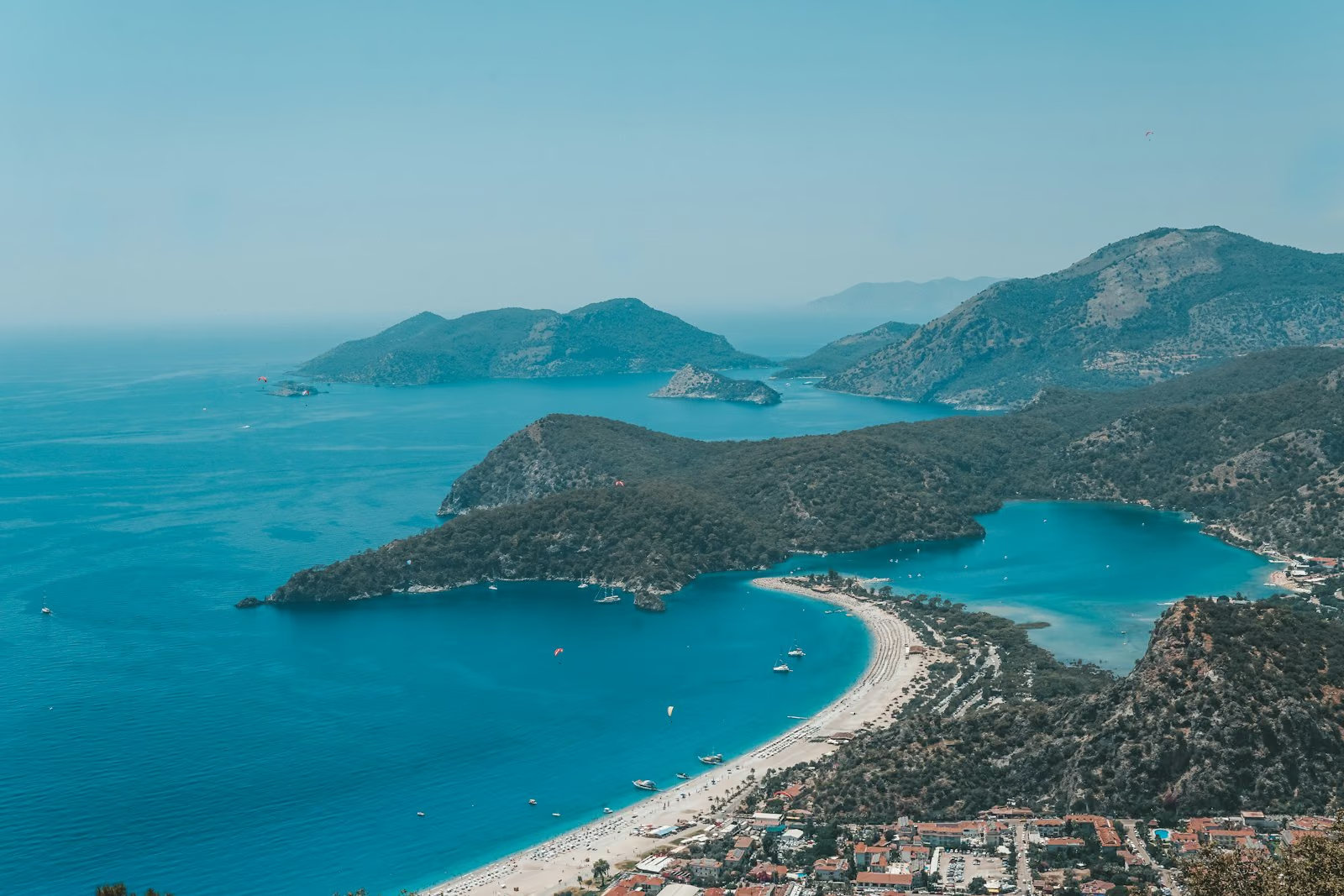
The stretch from Antalya west to Kaş is where Turkish winter tourism actually lives. December through February averages 15°C by day, 7°C at night, with 200mm+ rainfall spread across 12–15 rainy days per month. That last figure is critical: winter here means warm but wet. It is not Egypt-dry. You get bright T-shirt afternoons interrupted by 24-hour rainstorms twice a week.
The upside is off-season pricing. Hotels that charge €400/night in July drop to €80. The Lycian Way (a 500km coastal hiking trail from Fethiye to Antalya) is at its best in January — cool enough to walk, wildflowers on the middle sections, empty of the German summer crowds. Local restaurants shift from beach-service to slow-cooked winter fare: tandır kebab, testi kebabı (clay-pot lamb cracked open at the table), şalgam (fermented turnip juice, an acquired taste).
- Antalya (Dec): avg high 15°C, low 7°C, 250mm rain. See Antalya December weather.
- Fethiye (Jan): avg high 15°C, low 6°C, 230mm rain. See Fethiye January weather.
- Kaş: similar to Fethiye but slightly warmer, better sea access. Book Kalkan or Kaş harbourside guesthouses.
2. Cappadocia — the snowy centrepiece
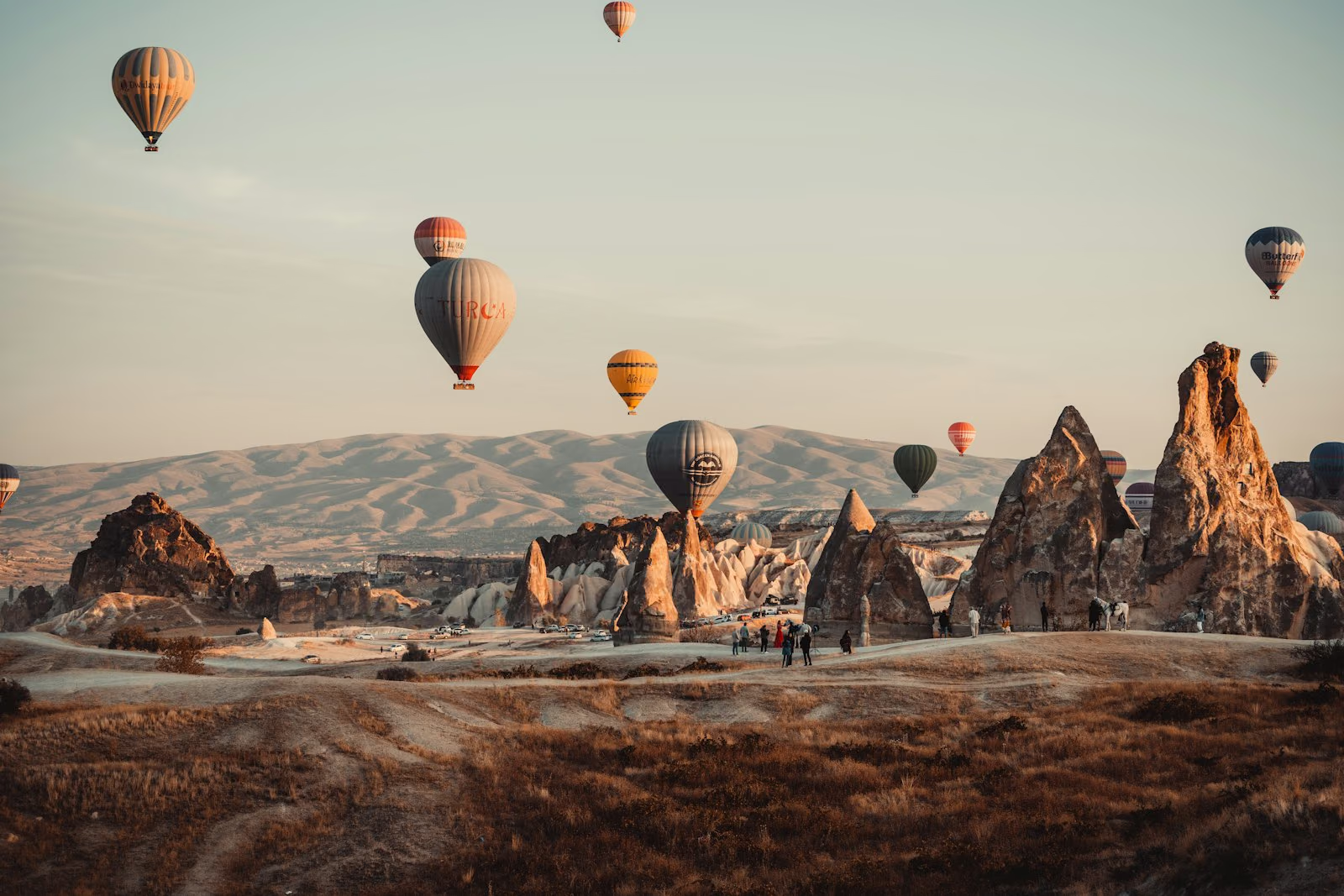
Cappadocia in winter is the shot every travel photographer wants. Hot-air balloons rising at dawn over the Göreme valleys, fairy chimneys dusted with fresh snow, temperatures cold enough that you can see your breath in the basket. It is also the most misunderstood Turkish winter destination: balloons fly on 40–60% of winter mornings (weather-dependent — winds under 25 km/h, no active precipitation), meaning a 3-morning booking is realistic; a 1-morning booking is a gamble.
January averages -2°C at night in Göreme and rarely climbs above 5°C by day. Snow is frequent between mid-December and late February. The cave hotels (Museum Hotel, Argos in Cappadocia, Kelebek) are heated to the point of comfort but check whether the room you're booking is a "cave suite" or actually a converted stone room — the temperature difference is real.
- Cappadocia (Jan): avg high 4°C, low -4°C, 40mm precipitation (much as snow). See Cappadocia January weather.
- Balloon booking: Reserve 3 mornings via Voyager or Butterfly Balloons. If morning 1 cancels for weather, you're covered.
- Alternative: Ihlara Valley hike (frozen waterfalls in Jan), underground city visits at Kaymaklı and Derinkuyu (steady 12°C year-round).
3. Konya — the pilgrimage month
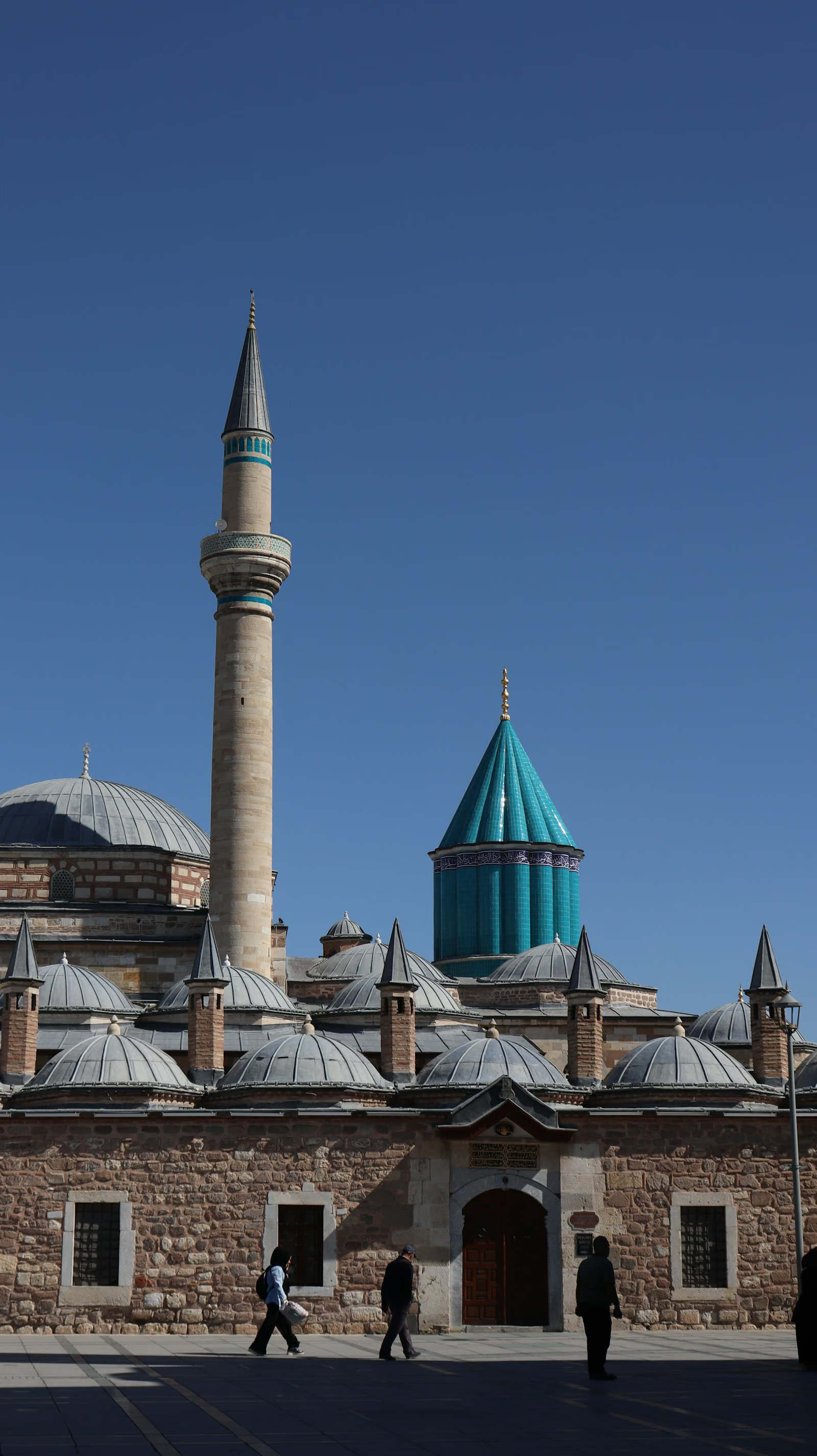
Konya is Turkey's spiritual heartland, home to Mevlana Rumi's tomb and the Whirling Dervishes. Every year, from 7–17 December, the city hosts Şeb-i Arus — the ten-day commemoration of Rumi's death, called the "Wedding Night" because Rumi described death as reunion with the divine. Sema ceremonies run nightly at the Mevlana Cultural Center; tickets sell out weeks ahead but are cheap by international festival standards (200–500 TL).
Weather is the trap. Konya sits on the Central Anatolian plateau at 1,000m elevation. December averages 5°C by day, -3°C at night, with genuine cold spells that can hit -15°C. Pack a proper winter coat, not the wool blazer that got you through Istanbul.
- Konya (Dec): avg high 5°C, low -3°C, 45mm precipitation. See Konya December weather.
- Where to stay: Rumi Hotel or Bayır Diamond, both a 5-minute walk from the Mevlana Museum.
- Food: Etli ekmek (a Konya-style thin flatbread topped with minced lamb), tirit (lamb-stock bread stew), höşmerim for dessert.
4. Bodrum, İzmir and the Aegean off-season
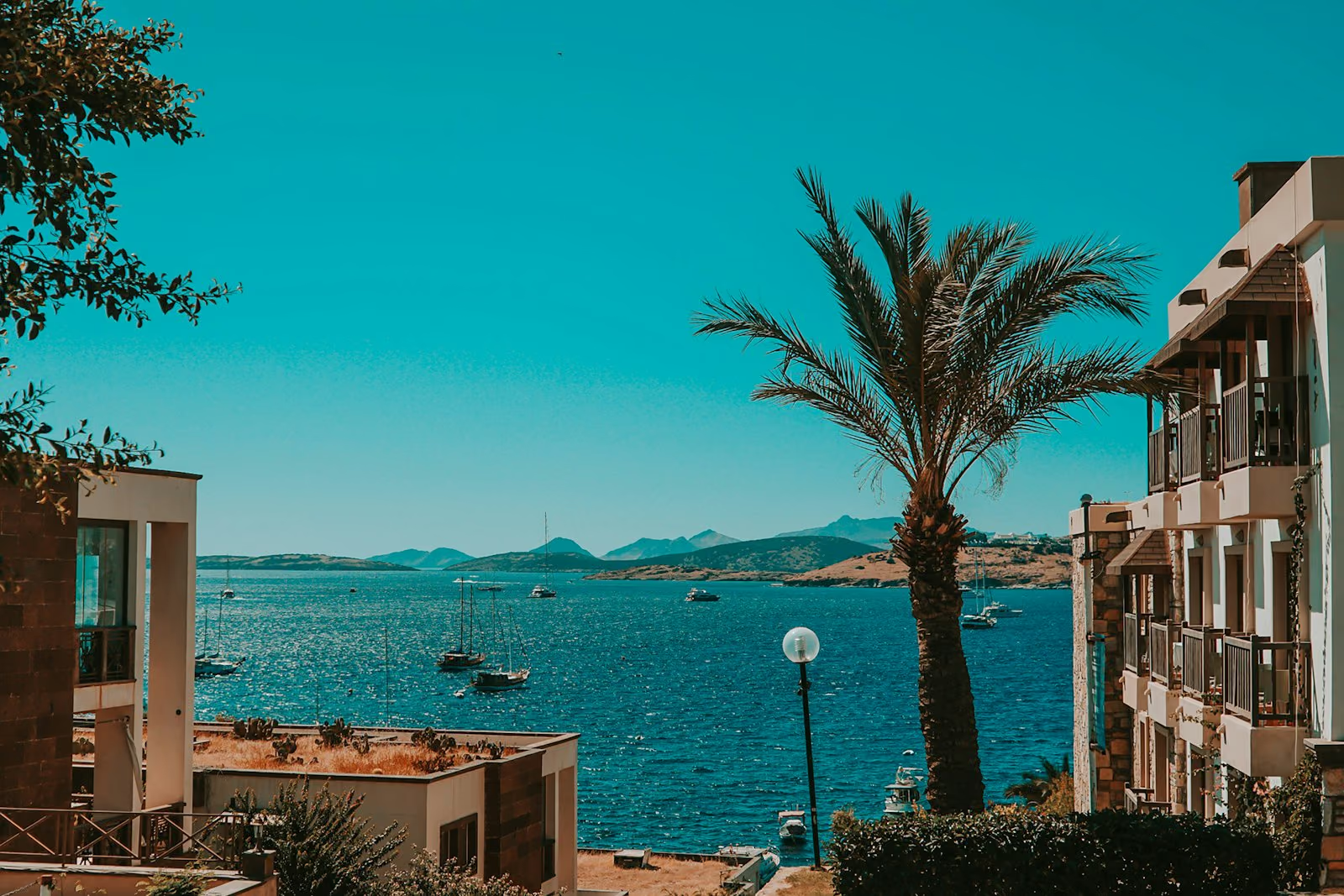
The Aegean coast is where domestic Turkish tourism goes for winter weekends. Bodrum in February averages 14°C by day, 7°C at night — noticeably cooler than Antalya, but with the compensation that the sea is calmer, the restaurants that stayed open are the good ones (the tourist traps close), and the marina at Yalıkavak is walkable without waiting 40 minutes for a table.
İzmir is Turkey's third-largest city and radically underrated for a winter city break. The Kordon promenade, Kemeraltı bazaar, Alsancak neighbourhood — all quieter and more livable in winter than in the summer heat. Day-trip options include Ephesus (empty of cruise crowds in January), Şirince village for wine tasting, and the ancient Roman city of Bergama.
- Bodrum (Feb): avg high 14°C, low 7°C, 130mm rain. See Bodrum February weather.
- İzmir (Jan): avg high 12°C, low 5°C, 130mm rain.
- Booking angle: Boutique Bodrum hotels drop 60–70% November through March. The Bodrum EDITION and Mandarin Oriental Bodrum close entirely; the smaller heritage hotels (Kaya Palazzo, Marmara Bodrum) stay open at half price.
5. Istanbul and Ankara — the city breaks
Istanbul in December and January is a city that occasionally, delightfully, gets snow. Not reliably — maybe 4–8 snowy days across the winter — but when it happens, the sight of Sultanahmet and the Bosphorus in white is unmatched. Weather is grey and damp by default: 8°C days, 3°C nights, 100mm/month rain. Museums are quiet, hamams are busy, and the seasonal food is at its peak — kestane şekeri (candied chestnuts) roasted on street braziers, salep (a hot orchid-root drink dusted with cinnamon), fresh simit from morning bakeries.
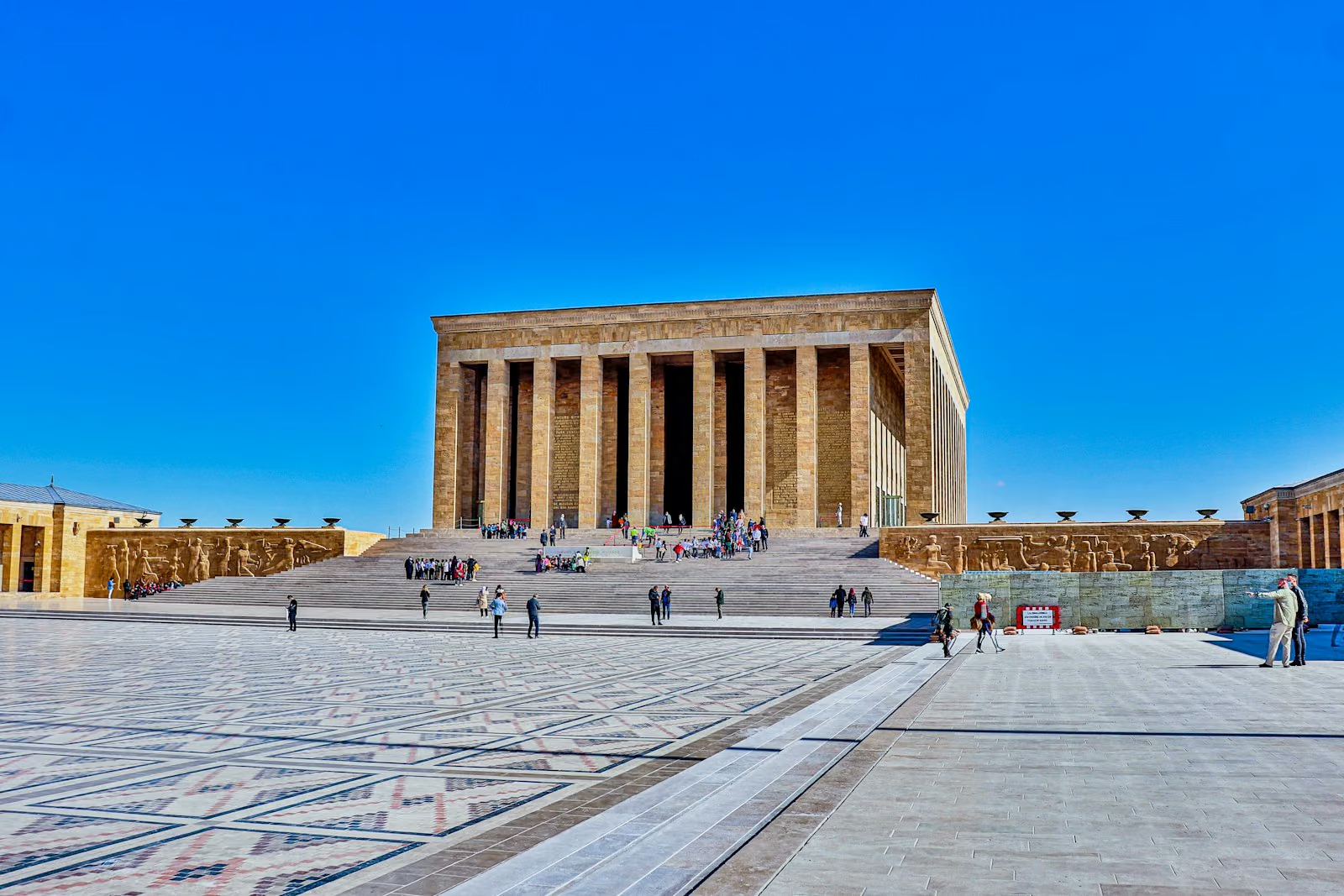
Ankara is drier and colder than Istanbul (5°C high, -1°C low in January) because the plateau climate again. Better as an add-on to a Cappadocia trip than a standalone winter destination. Visit Anıtkabir, the Ankara Citadel and the Museum of Anatolian Civilisations, then move on.
- Istanbul (Dec): avg high 9°C, low 4°C, 105mm rain. See Istanbul December weather.
- Ankara: avg high 5°C, low -1°C in January.
- Where to stay in Istanbul: Sultanahmet (walking distance to major sights) if it's your first trip; Karaköy or Cihangir if you've been before and want the food-and-café scene.
Region-by-region comparison
| Region | Dec avg day/night | Rain (mm/month) | Snow likely | Best month |
|---|---|---|---|---|
| Antalya coast | 15°C / 7°C | 250mm | No | February |
| Cappadocia | 3°C / -4°C | 40mm (snow) | Yes | January |
| Konya | 5°C / -3°C | 45mm | Some | December (Şeb-i Arus) |
| Bodrum / İzmir | 13°C / 6°C | 140mm | No | February |
| Istanbul | 9°C / 4°C | 105mm | Occasional | December |
The Turkey winter trap
The trap is packing for one region and travelling across three. A 10-day trip that opens in Istanbul (rain jacket, city shoes), routes through Cappadocia (down parka, waterproof boots) and finishes in Antalya (T-shirts, swim shorts) requires the full range. Most travellers pack for Antalya, arrive in Cappadocia at 2°C, and spend the first day buying gloves at Göreme bazaars. Pack for the coldest destination on your itinerary; peel layers off in Antalya.
The other trap is meal timing. Interior Turkey (Cappadocia, Konya, Ankara) has genuinely cold mornings — 5°C in a stone hotel room where the heater takes two hours to warm the space. Locals start with hot tarhana çorbası (a fermented yoghurt-and-wheat soup) at breakfast and drink Turkish coffee heavily. Follow the local rhythm. A big warm breakfast makes the difference between a good sightseeing day and a shivering one.
Cultural angle: why Turkish winter works
Turkey has an entire winter culture that most foreign visitors miss because they go in July. The hamam (Turkish bath) is a winter ritual, not a summer novelty — the sequence of steam, cold plunge, oil massage feels genuinely medicinal at 3°C outside. Café culture shifts indoors, so the çay-and-backgammon rooms of Beyoğlu or Kaleiçi come alive. Ski resorts (Uludağ near Bursa, Palandöken near Erzurum, Kartalkaya near Bolu) run December through March and offer lift-ticket prices that would be a rounding error in the Alps.
Book smart
- [Compare hotels in Antalya →](/weather/antalya)
- [Compare hotels in Cappadocia →](/weather/cappadocia)
- [Compare hotels in Bodrum →](/weather/bodrum)
- [Compare hotels in Istanbul →](/weather/istanbul)
- [Compare hotels in Konya →](/weather/konya)
See the country pillar at best time to visit Turkey, or the wider seasonal travel collection.
Read the full weather guide



Compare hotels for your trip
We link to Booking.com's search for the destinations above. We may earn a small commission — it doesn't change the price.

