
Best Time to Visit Turkey: A Region-by-Region 2026 Guide
Turkey isn't one climate — it's five. 11 complete years of data (2015–2025) on when to visit Istanbul, Cappadocia, Antalya, Bodrum, Fethiye and central Anatolia.
Turkey is the size of Texas and California combined, and it contains five distinct climate zones. A question like "what's the weather like in Turkey?" is roughly as useful as asking "what's the weather like in North America?" — the honest answer is it depends where. Antalya in January is 15°C and mild. Erzurum in January is minus 10°C with a meter of snow. Both are Turkey.
This guide breaks Turkey down by five regions, gives you 11-year climate data (2015–2025) for each, and tells you the best time to visit each one. If you're planning a two-week Turkey trip that combines Istanbul + Cappadocia + the coast, the specific weeks matter more than the month.
The five climate regions of Turkey
- Marmara & Istanbul — Mediterranean-continental hybrid. Four distinct seasons.
- Aegean coast (Izmir, Bodrum, Kusadasi) — Classic Mediterranean. Hot dry summers, mild wet winters.
- Mediterranean coast (Antalya, Fethiye, Kaş) — Warmer than the Aegean. Longer summer, milder winter.
- Central Anatolia (Ankara, Cappadocia, Konya) — Continental. Cold winters, hot dry summers, huge day-night swings.
- Eastern Anatolia (Erzurum, Van, Kars) — Alpine continental. Long harsh winters, short summers.
The short answer
- Overall best months: Late April – early June, September – mid-October. Shoulder seasons work everywhere.
- Peak summer (Jul-Aug): Coast excellent, Istanbul crowded, Cappadocia hot but great for balloons.
- Winter (Dec-Feb): Only Istanbul and Cappadocia offer proper winter experiences; coast quiet, east snowbound.
1. Istanbul & the Marmara region
Best time to visit Istanbul: April, May, September, October.
Istanbul sits on the same latitude as Rome and shares a similar climate. Winters are wet and grey (though rarely below freezing), summers are hot and humid, and the shoulder seasons are magical. See our Istanbul weather guide for month-by-month data.
The city's stone architecture — Hagia Sophia, Blue Mosque, Topkapi — photographs at its best in the softer autumn light of late September and October. Spring works too, but April can still be rainy. May is arguably the perfect month: 22°C days, roses in bloom, Bosphorus ferry rides that don't require a jacket.
Avoid July-August unless you're comfortable with 30°C+ humidity and full tourist crowds. Winter Istanbul is atmospheric — steaming çay in a covered market, snow on the Blue Mosque — but many bosphorus cruises don't run.
2. The Aegean coast (Izmir, Bodrum, Kusadasi)
Best time: mid-May to late June, September, early October.
The Aegean is Mediterranean but with a distinctive twist — the meltemi wind blows strongly from June through September, keeping temperatures more moderate than the Mediterranean coast and making it a world-class sailing destination. Bodrum, in particular, becomes a yacht-charter capital in these months. See Bodrum weather and Izmir weather.
Late May is the sweet spot: the sea has warmed to 22°C+, tourists haven't yet flooded in, wildflowers still bloom in the hills behind the beaches. September repeats the pattern with warmer sea (25-26°C) and less crowded ruins at Ephesus.
July-August work if you're chasing serious sunshine — Bodrum averages 12+ hours of sun daily, near-zero rain — but prices spike 50%+ and coastal traffic between resort towns can be brutal.
3. The Mediterranean coast (Antalya, Fethiye, Kaş)
Best time: April – mid-June, mid-September – early November.
Antalya has the longest tourist season in Turkey. The coast has 300 sun-days a year, mild winters, and warm shoulder seasons — the sea is swimmable from April to November. Full Antalya climate data shows how this shakes out month-by-month.
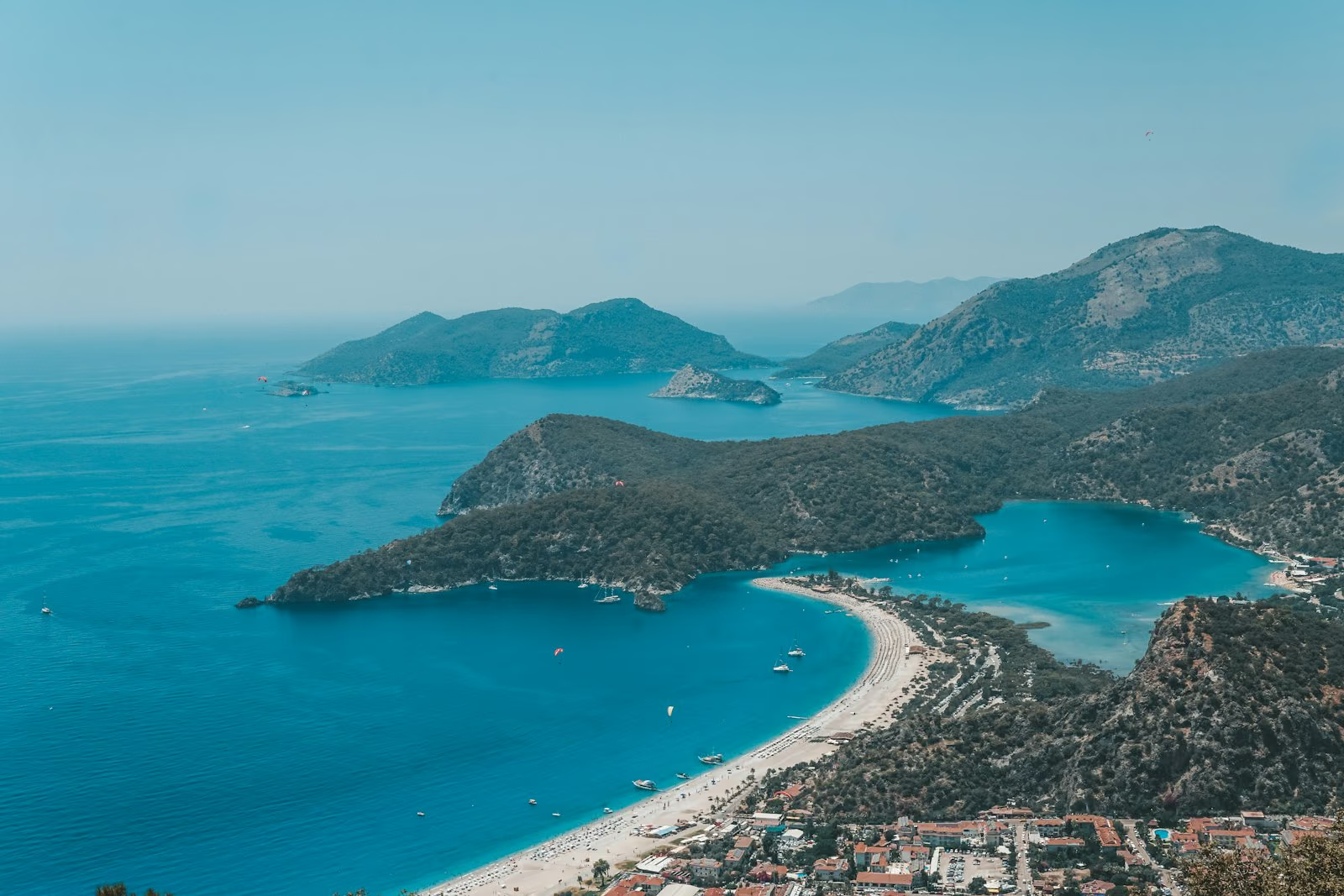
The Lycian coast (Fethiye, Kaş, Kalkan, Ölüdeniz) is the most beautiful stretch, and the Lycian Way hiking trail runs the length of it. See Fethiye weather. Best hiking is April-May and October when temperatures sit at 20-25°C. Avoid July-August for hiking — it's 35°C+ and there's very little shade on many sections.
Winter in Antalya (December-February) is one of Turkey's underrated experiences: 12-15°C days, empty beaches, historic Kaleiçi Old Town without crowds, and hotel prices at 60% of summer rates. Locals joke that Antalya has "European summer weather in Turkish winter."
4. Central Anatolia (Cappadocia, Ankara, Konya)
Best time for Cappadocia: April, May, September, October (for balloons); December-February (for snow drama).
This is Turkey's high plateau — Cappadocia sits at 1,000 meters elevation and gets snow in winter, blistering sun in summer. The climate here is dry and continental with huge diurnal ranges (daytime 25°C, nighttime 8°C in October is normal). Full Cappadocia climate and our Cappadocia balloon timing guide.
The famous hot-air balloons launch year-round but wind cancellations spike in winter. The most reliable balloon months are April-June and September-October (85-90% success rate). July-August also fly reliably but afternoons are 32°C+.
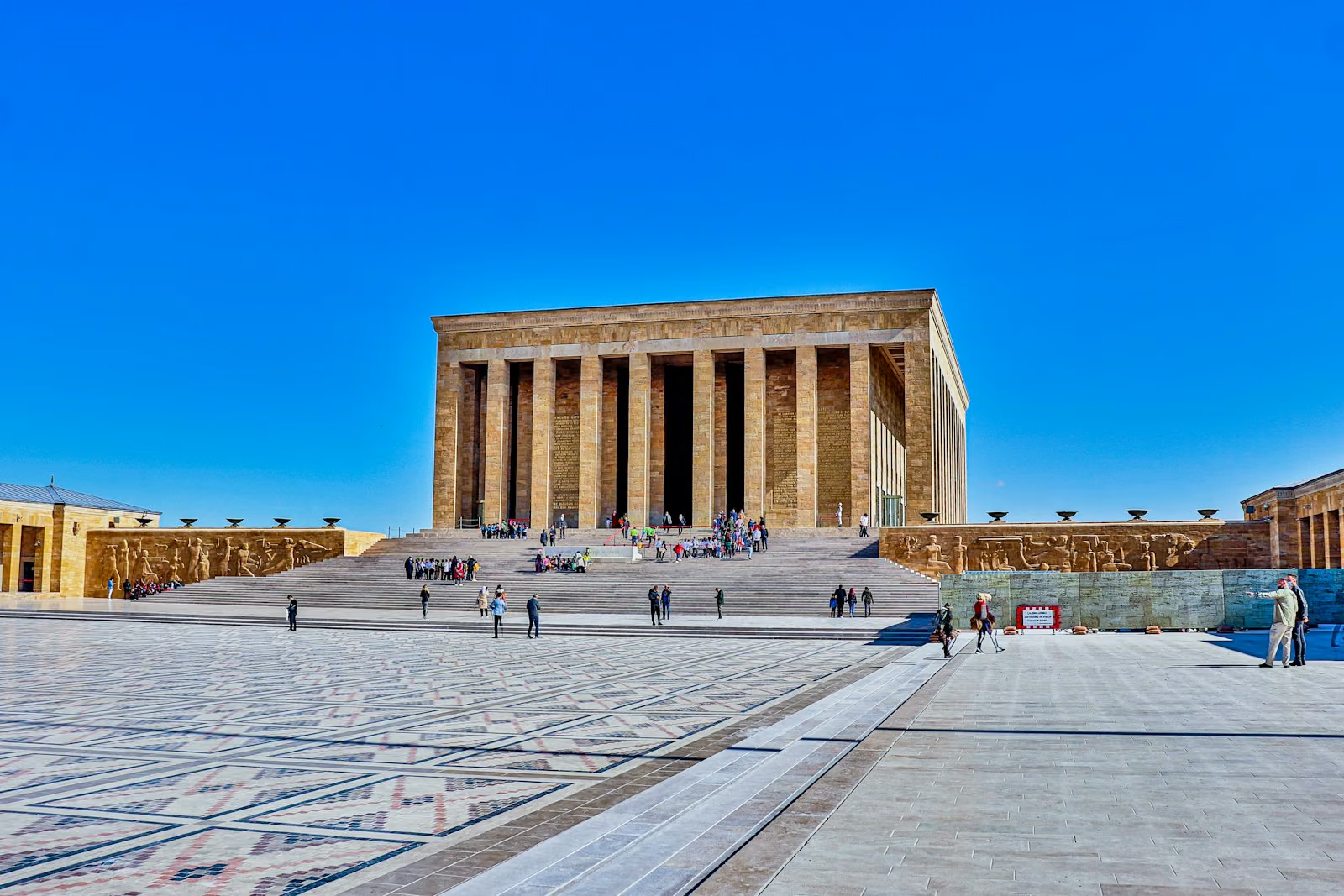
Ankara — the capital and Turkey's second city — is often skipped by tourists but has excellent museums (Anatolian Civilizations) and food. See Ankara weather guide. Best months are May, June, September. Winter is cold (Ankara averages -1°C in January), summer manageable.
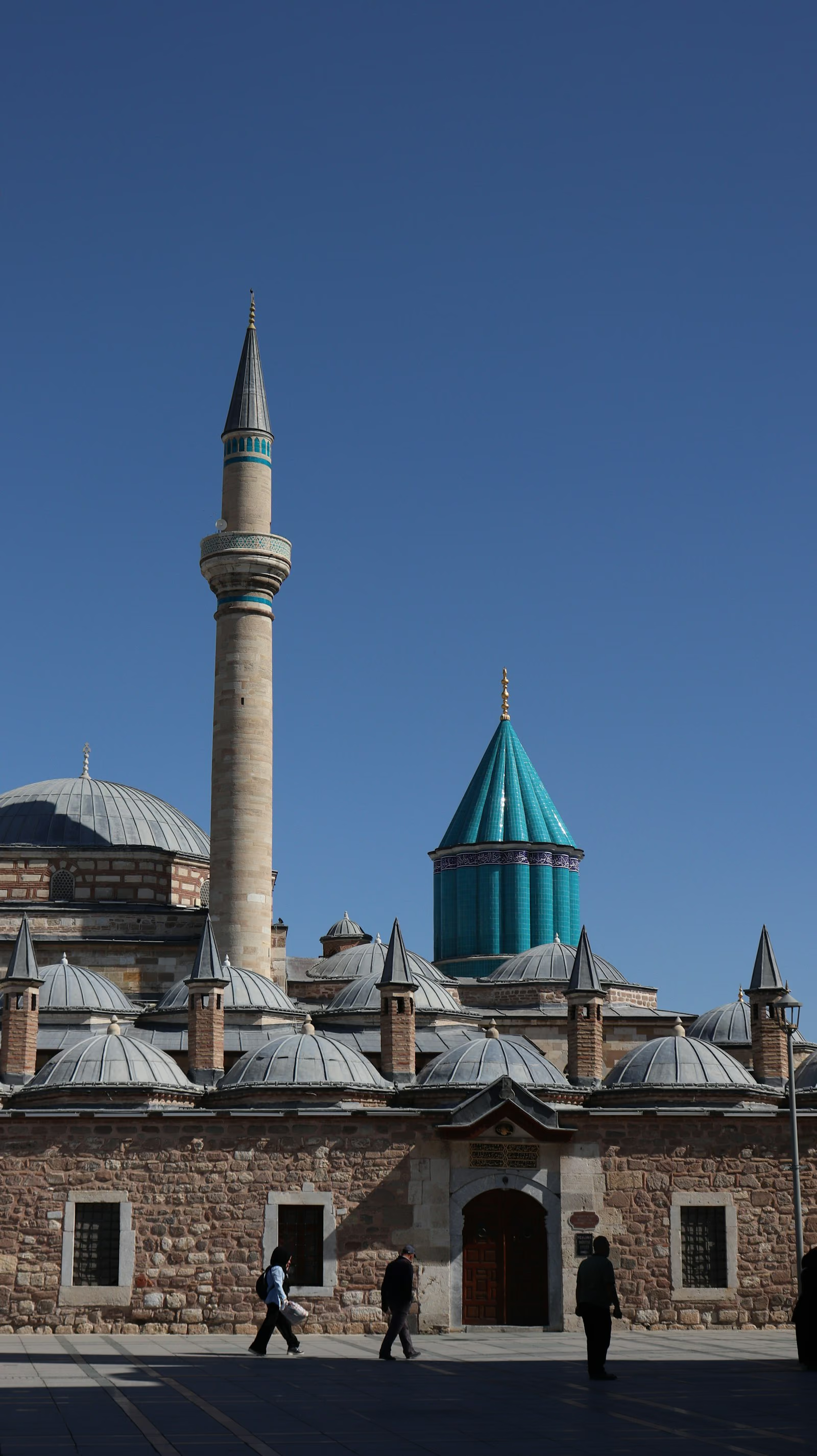
Konya, the ancient Seljuk capital and Rumi's spiritual home, has similar continental climate. See Konya weather. The whirling dervishes ceremony is held every Saturday year-round, but December's Şeb-i Arus (Rumi's death anniversary) week draws thousands from around the world.
5. Eastern Anatolia (Erzurum, Van, Kars)
Best time: June – early September (for hiking, lakes); January-March (for ski touring, ice-hotels).
This is the least-visited region of Turkey — mountainous, harsh, spectacular. We don't have dedicated destination pages here yet but the climate follows a simple pattern: winters below zero for 4-5 months, summers cool but bright (18-25°C in July at 2000m elevation). Snow depth on Palandöken (Erzurum's ski mountain) can exceed 2 meters in February.
Summer visits: Lake Van, Ani ruins, Mount Ararat expeditions, Nemrut mountain (the giant stone heads).
Trip planning: how to combine regions
Two weeks — the classic route
Istanbul (3 nights) → Cappadocia (3) → Antalya (5) → back to Istanbul. Best in late April to late May or late September to mid-October. Temperature ranges you'll experience: 18-28°C across the whole trip.
Two weeks — coastal deep dive
Istanbul (2) → Izmir/Ephesus (2) → Bodrum (3) → Fethiye (3) → Antalya (3). Best in June or September. Sea temperatures 22-27°C throughout.
One week — winter alternative
Istanbul (3) → Cappadocia (4). Best in late December or January for snow-on-fairy-chimneys photography. Cold — pack seriously.
Regional highlights by month
- March-April: Istanbul tulip festival, first coast openings, wildflowers Cappadocia
- May: The universal best month. Everywhere works.
- June: Aegean sailing peak, still-cool Cappadocia mornings
- July-August: Coast heaven if you can handle crowds. Interior tough.
- September: Second peak month — sea still warm, crowds thin
- October: Autumn Cappadocia is exquisite. Mediterranean coast still 25°C.
- December: Only Istanbul + Cappadocia interesting. Skip coast.
- January-February: Ski touring east, quiet Istanbul, snow drama Cappadocia
The verdict
Turkey rewards planning around region rather than around a single "best month." If you have flexibility, target mid-May or late September — these two weeks work everywhere in the country simultaneously. If you're locked to summer, focus on the coast. If you're locked to winter, focus on Cappadocia and Istanbul.
See our full month-by-month data on Istanbul, Cappadocia, Antalya, Bodrum, Fethiye, Izmir, Ankara, and Konya.
Read the full weather guide





Compare hotels for your trip
We link to Booking.com's search for the destinations above. We may earn a small commission — it doesn't change the price.


